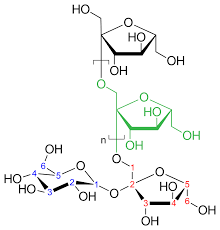
In today’s world of health-conscious living, we continually seek ways to nourish our bodies and promote overall well-being. In this quest, we often turn to nature’s bounty for answers. One such hidden gem that has been gaining attention in recent years is inulin – a remarkable dietary fiber with a multitude of health benefits. In this comprehensive article, we’ll delve deep into the world of inulin, exploring its origins, health advantages, dietary sources, and much more.
Unveiling Inulin – What Is It?
Inulin is a naturally occurring carbohydrate, classified as a fructan. It’s a type of soluble dietary fiber found predominantly in the roots and rhizomes of various plants. While it’s present in numerous plant species, some of the richest sources include chicory root, dandelion root, Jerusalem artichoke, and agave.
In its natural state, inulin appears as a tasteless, colorless, and odorless powder, making it an ideal addition to various food products without altering their flavor or appearance. Its unique chemical structure, composed of fructose molecules linked by beta-2,1 bonds, sets it apart from other dietary fibers.
The Role of Inulin in Gut Health
The most well-known and celebrated benefit of inulin revolves around its remarkable impact on gut health. This prebiotic fiber acts as a nourishing source of food for the beneficial bacteria residing in our gastrointestinal tract, particularly in the colon. Here’s how it contributes to gut health:
2.1. Promoting a Healthy Microbiome
Inulin’s primary function is to stimulate the growth and activity of probiotic microorganisms, such as bifidobacteria and lactobacilli. By providing these good bacteria with the sustenance they need, inulin helps maintain a harmonious balance in the gut microbiome.
2.2. Enhancing Digestive Regularity
Consuming inulin can lead to improved bowel regularity by softening stools and preventing constipation. Its fermentation in the colon produces short-chain fatty acids, which, in turn, nourish the gut lining and promote healthy digestion.
2.3. Alleviating Gastrointestinal Distress
Studies have shown that inulin may help alleviate symptoms associated with irritable bowel syndrome (IBS). It can reduce bloating, gas, and abdominal discomfort in individuals with sensitive digestive systems.
2.4. Supporting Immune Function
A well-balanced gut microbiome plays a crucial role in supporting the immune system. Inulin’s ability to nurture beneficial bacteria indirectly contributes to a stronger immune response, potentially reducing the risk of infections.
Inulin and Blood Sugar Regulation
Emerging research suggests that inulin may have a positive impact on blood sugar control, making it of interest to individuals with diabetes or those at risk of developing the condition. Here’s how inulin influences blood sugar levels:
3.1. Modulating Glucose Absorption
Inulin appears to slow down the absorption of glucose in the small intestine. This slowdown can lead to more stable blood sugar levels after meals, reducing the likelihood of spikes and crashes.
3.2. Improved Insulin Sensitivity
Some studies suggest that regular consumption of inulin may enhance insulin sensitivity, a key factor in diabetes management. Improved insulin sensitivity means the body can more effectively use the available insulin to regulate blood sugar.
3.3. Potential Weight Management Benefits
Stable blood sugar levels can also contribute to better appetite control. Inulin’s satiating properties may help individuals feel fuller for longer, potentially reducing overall calorie intake and supporting weight management efforts.
Heart Health and Inulin
In addition to its impact on gut and blood sugar health, inulin has been linked to several cardiovascular benefits, further highlighting its role in promoting overall well-being:
4.1. Reducing LDL Cholesterol Levels
Studies have suggested that inulin consumption may lead to a reduction in LDL cholesterol levels, often referred to as “bad” cholesterol. Lower LDL levels are associated with a decreased risk of heart disease.
4.2. Blood Pressure Regulation
Inulin’s potential to lower blood pressure has been explored in research. By promoting healthy blood vessel function and reducing hypertension, it contributes to overall heart health.
The Culinary Versatility of Inulin
Inulin’s neutral taste and texture make it a versatile ingredient in the culinary world. Food manufacturers and home cooks alike have found innovative ways to incorporate this prebiotic fiber into a variety of dishes:
5.1. Natural Sweetener Alternative
Inulin’s natural sweetness allows it to serve as a healthy alternative to sugar in recipes. It can be used to sweeten beverages, baked goods, and even savory dishes without the added calories of sugar.
5.2. Creamy Texture in Dairy Alternatives
In the world of dairy alternatives like plant-based milk and yogurt, inulin is often used to create a creamy and indulgent texture that closely mimics dairy products.
5.3. Gluten-Free Baking
For those following a gluten-free diet, inulin can be a valuable addition to gluten-free baked goods. It improves texture and moistness, resulting in gluten-free treats that are both delicious and satisfying.
Inulin Supplements and Dosage
While inulin is readily available in various plant-based foods, some individuals may opt for inulin supplements to ensure they meet their dietary needs. These supplements are available in various forms, including powders, capsules, and syrups. It’s essential to understand how to use these supplements effectively and safely.
6.1. Determining the Right Dosage
The appropriate dosage of inulin can vary depending on individual health goals and tolerance. It’s advisable to start with a lower dose and gradually increase it to avoid gastrointestinal discomfort.
6.2. Potential Side Effects
Inulin is generally well-tolerated, but some individuals may experience mild digestive discomfort, such as gas or bloating, when first incorporating it into their diet. This usually subsides as the gut microbiome adjusts.
Inulin and Weight Management
Weight management is a topic of significant interest in today’s society, and inulin may offer some valuable assistance in this area:
7.1. Appetite Regulation
Inulin’s satiating properties can help reduce overall calorie intake by promoting a sense of fullness. This can be particularly beneficial for those looking to manage their weight.
7.2. Support for Healthy Gut Bacteria
A balanced gut microbiome is associated with better weight management. By nurturing beneficial gut bacteria, inulin indirectly contributes to overall metabolic health.
Inulin for Bone Health
In recent years, research has begun to explore the potential role of inulin in bone health. While more studies are needed, there are some promising findings that link inulin consumption to improved bone density and strength.
Dietary Sources of Inulin
Incorporating inulin into your diet can be an enjoyable and flavorful experience. Here are some of the most abundant dietary sources of inulin:
9.1. Chicory Root
Chicory root is a powerhouse of inulin, often used as a source for inulin extraction
